







Search Results for: blending principles

The Core Principles of Espresso Blending and Recipe Analysis: From Ratio Pairing to Extraction Key Points
The charm of espresso lies in achieving complementary and elevated flavors through blending. Starting from Italian coffee culture, this article systematically explains the basic principles of espresso blending—why two to six types of beans are typically used, and why a clear primary-secondary relationship is needed rather than mixing in equal proportions. Using Front Street Coffee's Warm Sun Blend, Specialty Blend, and Basic Blend as examples, it illustrates how coffee beans from different origins harmonize with one another. It also introduces the differences between SOE and blended beans, as well as the key control points in time, flow rate, and tamping during Espresso extraction, helping coffee enthusiasts understand the recipe logic and operational details behind a delicious cup of espresso. [more…]

A Detailed Explanation of the Four Core Principles of Blending Coffee Beans — The Main Differences Between Single-Origin Pour-Over Beans and Blended Beans
What exactly is the difference between single-origin coffee and blended coffee? Starting from definitions, this article systematically sorts out the four major basic principles of blending coffee beans: clarifying the purpose of the blend, determining the target flavor, choosing raw blending or roasted blending, and locking in the blending ratio. Using details as examples, the article explains how to create a distinctive flavor through combinations of beans from different origins and different processing methods. At the same time, it also shares brewing parameters for single-origin coffee and espresso extraction plans, making it suitable for enthusiasts who want to gain a deeper understanding of the logic behind coffee blending. [more…]
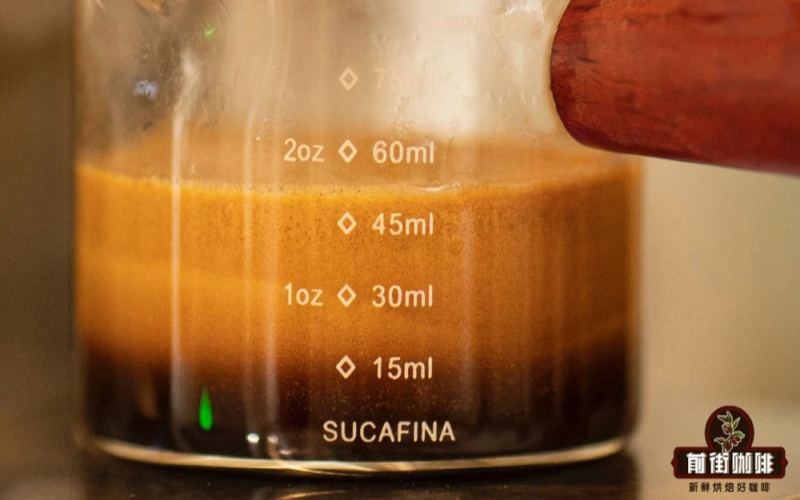
A Comprehensive Analysis of Colombian Coffee Bean Espresso Blend Recipes: From Blending Principles to Roasting Methods and Practical Ratios
Blending coffee beans is not simply mixing them together, but an art that balances scientific calculation with sensory experience. From the practical perspective of Front Street Coffee, this article systematically sorts out the purposes of blending, the order of blending and roasting, as well as the blending steps and core principles, helping coffee enthusiasts understand how to use Colombian and Brazilian coffee beans to build a nutty-toned espresso recipe. The article also introduces the product concepts of Front Street Dark Cocoa Blend and Sunflower·Warm Sun Blend, and includes a recipe example of a 3:7 post-roast blend of Colombian and Brazilian beans, suitable for readers who wish to replicate café flavors at home or optimize output consistency. [more…]
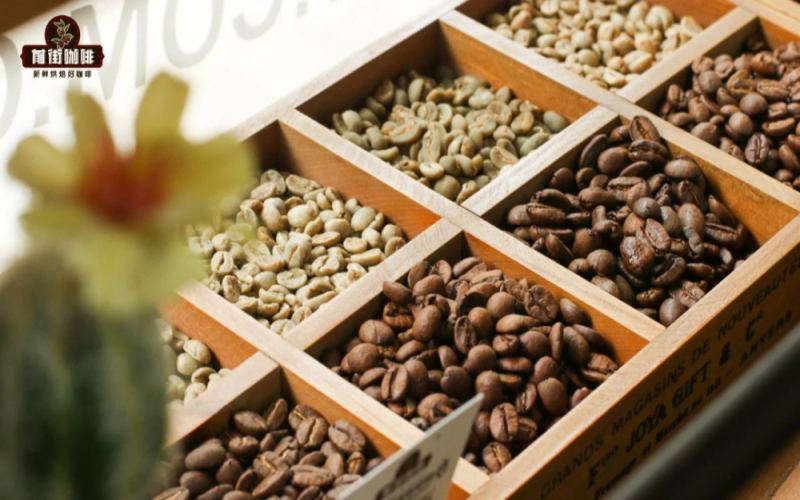
Italian-style blend coffee beans vs. single-origin beans: how to choose? Analyzing blending principles and extraction flavor through Front Street Coffee's four recipes
Which tastes better: single-origin coffee beans or formula beans (blended coffee beans)? This is a common question for many coffee enthusiasts when they are just getting started. This article begins with the history of coffee blending, sorts out the definition of espresso blend coffee beans, the four major blending principles, and the preparation steps before blending, and uses Yunnan small-bean coffee as an example to explain how to design an espresso recipe. It then combines Front Street Coffee's four espresso blends—Black Cocoa Blend, Commercial Blend, Specialty Blend, and Sunflower Warm Sun Blend—to provide flavor descriptions and recipe ratios one by one, and finally includes Front Street's espresso extraction parameters for coffee enthusiasts to refer to and compare. [more…]
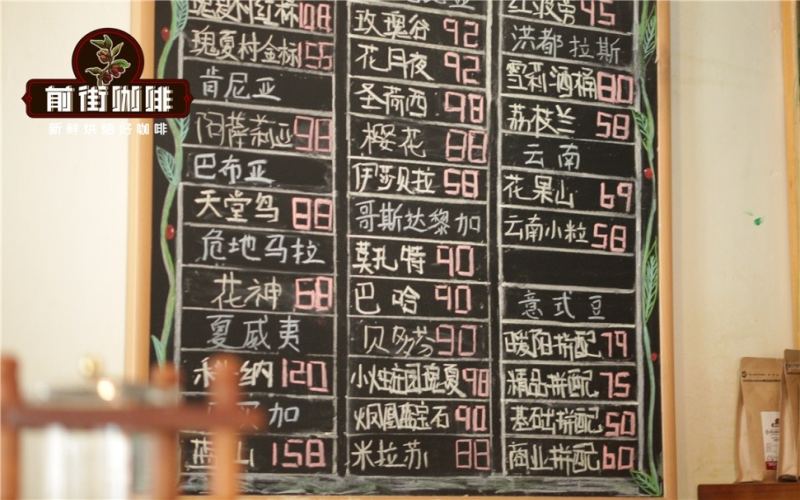
Can espresso blend beans be used for pour-over? Front Street Coffee explains the extraction principles and a practical guide to making espresso with single-origin beans.
Can the same coffee beans be brewed using different methods? This is a common question among many coffee enthusiasts. From the perspective of Front Street, this article first outlines the basic principles and parameter differences between pour-over drip and espresso pressure extraction, then separately explores the feasibility and considerations of using espresso blend beans for pour-over and single-origin pour-over beans for espresso. The article also uses several Front Street bean list products as examples to illustrate the flavor performance of different roast levels and processing methods under the two brewing methods, helping readers find a brewing solution that suits their taste and equipment. [more…]

A Detailed Explanation of the Principles and Methods of Americano Latte Art: Using Foamed Coffee Liquid Instead of Milk, Including a Practical Guide with Front Street Classic Blend
Latte art has always been regarded as the exclusive domain of lattes, but Americano can actually achieve beautiful patterns too. This article starts from the basic principles of latte art—the proteins in milk wrap around air to form a low-density foam, which floats on the surface of espresso crema to create patterns—and then leads into the feasibility of using the coffee liquid itself to foam instead of milk. We will share in detail how to froth espresso by adding ice water to increase the liquid volume and lower the temperature, and provide a complete hands-on demonstration using Front Street Classic Blend. Finally, we compare the differences in flavor, strength, and mouthfeel between latte-art Americano and regular hot Americano, offering coffee enthusiasts a completely new way to experience Americano. [more…]
From Blending Principles to Practice: Decoding the Logic of Coffee Bean Blending and Colombian-Brazilian Recipes
Blending coffee beans is not simply mixing them together; rather, it serves to compensate for the shortcomings of single-origin beans, stabilize flavor, or create a unique taste. From the perspective of Front Street Coffee, this article systematically explains the purposes of blending, the choice between blending raw beans and blending roasted beans, the steps and principles of blending, and includes a specialty espresso recipe made from a 3:7 post-roast blend of Colombian and Brazilian beans. Whether you want to understand the logic behind blending or hope to recreate a coffee shop favorite at home, you will find practical references here. [more…]

A Complete Guide to Clever Cup Brewing: From Principles to Practice, Presenting the Cup Profile of a Costa Rican Geisha Blend
The Clever Cup, as a brewing device combining immersion and drip functions, has become the top choice for many pour-over beginners and lazy coffee enthusiasts thanks to its simple and stable operation. In this article, Front Street Coffee (FrontStreet Coffee) will guide you through the "clever" aspects of the Clever Cup, its core working principle, and provide a complete demonstration of brewing a Costa Rica and Panama Geisha blend—Front Street Strawberry Candy Coffee Beans—using the Clever Cup. From parameter settings to brewing steps and finally to the flavor description, we help you easily replicate a cup of clean, smooth coffee with outstanding sweetness. [more…]
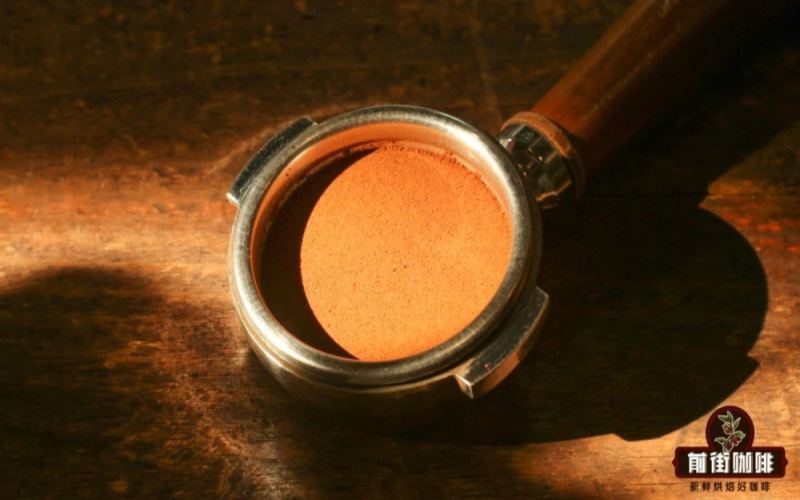
The Complete Guide to Buying Espresso Blend Coffee Beans: From Blending Principles to an Analysis of Front Street Coffee's Four Products
Blending coffee is not simply mixing beans together, but an art that combines experience, inspiration, and scientific calculation. This article systematically sorts out the purpose and commercial logic of blending, the sequence between blending and roasting, the blending steps and core principles, and introduces in detail four distinctive espresso blend coffee beans under Front Street Coffee — Sunflower Warm Sun, Specialty Blend, Commercial Blend, and Dark Cocoa Blend — covering formulas, roasting methods, flavor characteristics, and applicable scenarios, helping coffee enthusiasts and professionals comprehensively understand the classification and purchasing points of espresso blend coffee beans. [more…]

Can Espresso Blend Beans Handle Pour-Over? An In-Depth Analysis of Suitability and Flavor Performance, Plus a Front Street Coffee Hands-On Comparison
Many coffee enthusiasts wonder: can the blended beans typically used for espresso also be used for pour-over? The answer is yes, but doing so will lose the pure flavor of single-origin beans, and the overall taste will be more complex. Espresso blends and pour-over blends differ significantly in purpose, principles, and roast level—the former seeks flavor complementarity, while the latter emphasizes flavor enhancement. This article provides a detailed breakdown of the similarities and differences between the two, their blending principles, and uses Front Street Coffee's Ethiopian natural Red Cherry blended with Honduran Sherry as an example, extracting with both an espresso machine and a V60 pour-over for comparison, covering everything from parameters to flavor. [more…]
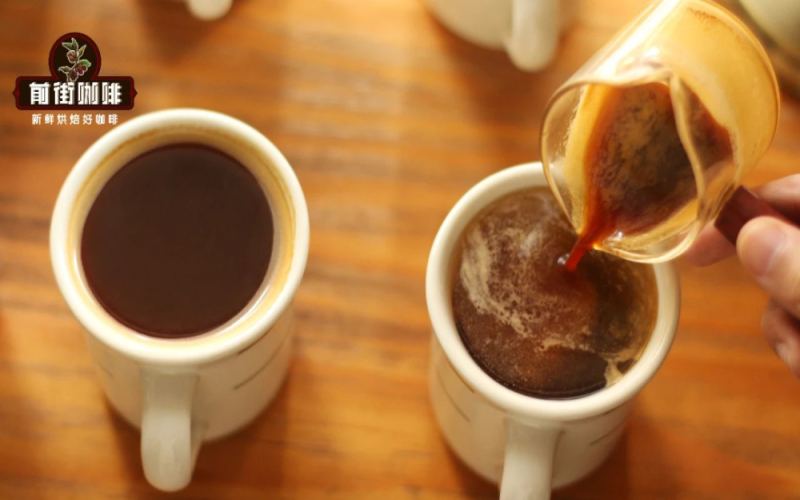
Can Americano Black Coffee Be Drunk with Milk? A Detailed Explanation of the Flavor Differences Between American and Italian Coffee Beans and the Extraction Principles
Can you add milk to an Americano? What exactly is the difference between it and espresso in terms of flavor and mouthfeel? These questions often confuse friends who are just getting into coffee. Drawing on the daily experience of Front Street Coffee baristas, this article sorts out the origins and brewing methods of Americano, compares the differences between American and Italian coffee in bean selection, and takes a deep dive into the extraction principles of espresso machines. It also introduces the flavor characteristics of espresso beans such as Front Street Commercial Blend, Warm Sun Blend, and Specialty Blend, as well as mechanical knowledge about water-to-coffee ratios, pumps, and boilers, to help you understand more comprehensively the logic behind a cup of coffee. [more…]

Moka Pot Coffee Beginner's Guide: Working Principles, Suitable Bean Types, and Analysis of Blends vs. SOE Choices
As a classic home coffee device, the moka pot is favored by many coffee enthusiasts for its simple operation and rich output. It consists of a lower chamber, a filter basket, and an upper chamber, using steam pressure to push hot water through the coffee grounds to extract a highly concentrated coffee liquid. Because the moka pot operates at a relatively high temperature and with 1 to 2 bar of pressure during extraction, it has certain requirements for the roast level and flavor direction of the coffee beans. This article will explain the moka pot's working principle, the types of coffee beans suitable for pairing, and the choice between blends and SOE, and will provide specific product recommendations from Front Street Coffee for beginner and advanced needs, helping readers use the moka pot more efficiently to make their ideal coffee. [more…]
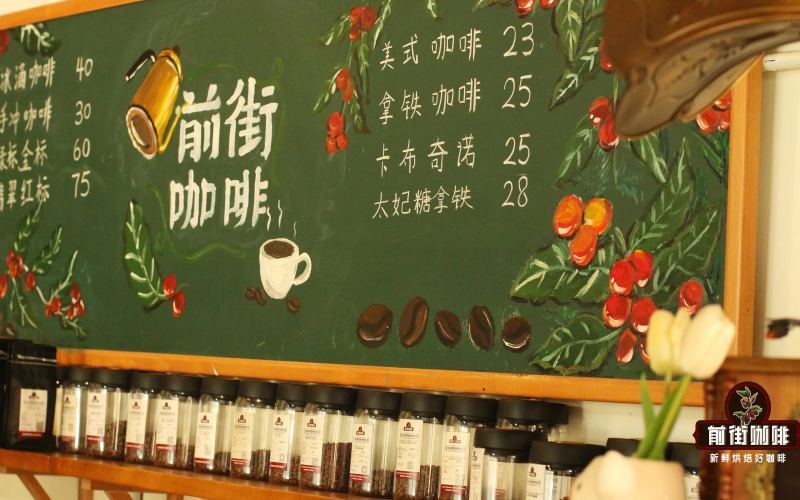
A Complete Guide to Espresso Making: From Extraction Principles to Americano and Latte Preparation
Espresso is the common foundation of drinks such as Americano, latte, and cappuccino. Understanding its extraction principles and operating procedures is the key to making a good espresso. This article will start with the definition and extraction principles of espresso, then outline the origin and preparation ratios of Americano, introduce the flavor characteristics of Front Street Coffee's four espresso blends, and explain in detail the extraction parameters such as dose, yield, and time. Finally, it will provide the standard operating steps from wiping the portafilter basket to pressing the button to extract, as well as simple methods for hot Americano, iced coffee, and hot latte, making it suitable for enthusiasts who want a systematic understanding of espresso. [more…]
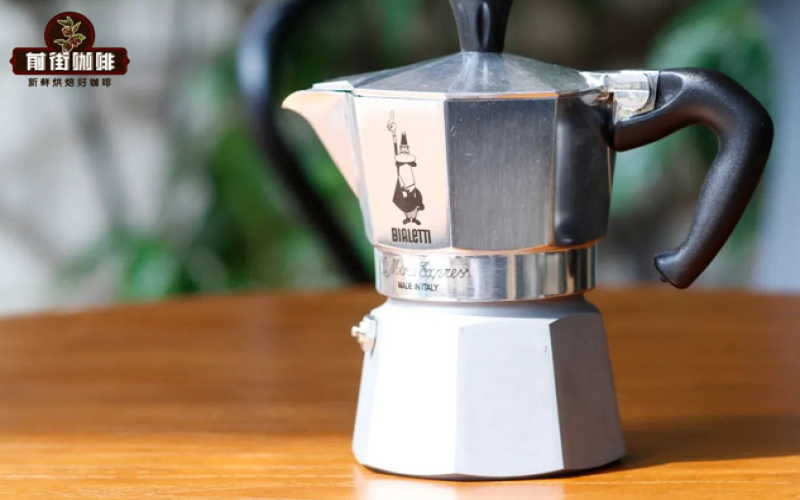
How to Fix Insufficient Crema from a Moka Pot? A Full Analysis from Equipment Principles to Coffee Bean Selection
The moka pot is an essential coffee device in nearly every Italian household, but it is not widely used in China, and many enthusiasts have questions about its usage techniques and crema. This article begins with the structure and working principle of the moka pot, explains in detail when to turn off the heat to obtain richer crema, and focuses on analyzing the impact of coffee bean selection on crema. We will also recommend several Front Street Coffee beans suitable for the moka pot, covering blends and single origins, to help you find the one that best suits your taste, so that the coffee brewed with the moka pot has rich crema and full-bodied flavor. [more…]
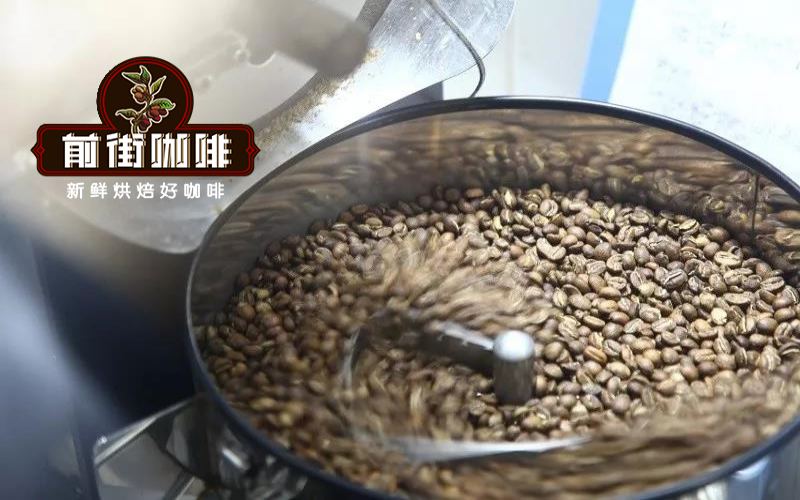
How to Choose Espresso Beans? Extraction Principles and Five Highly Cost-Effective Front Street Coffee Blends
Why are espresso beans generally roasted darker? What special requirements does espresso extraction place on coffee beans? Starting from roast level and extraction principles, this article systematically sorts out the bean selection logic for espresso beans and presents five Front Street espresso blends that combine value for money with flavor performance. Whether used for drinking straight as espresso or for making lattes, flat whites, mochas, and other milk-based coffee drinks, readers can find an option that suits them. The article introduces in detail each bean's origin composition, flavor characteristics, and suitable applications, helping coffee enthusiasts and cafe owners make quick decisions. [more…]
Where Does the Nutty and Chocolatey Flavor of Americano Coffee Come From? A Chat About the Extraction Principles of Espresso and the Art of Bean Selection
Americano seems simple—just espresso diluted with water—but there is actually a great deal of knowledge behind it. Many people wonder why some Americanos have nutty and chocolatey aromas. This is in fact closely related to the choice of coffee beans, the blending method, and the espresso extraction process. From the perspective of Front Street Coffee, this article reviews the origin and evolution of Americano, explains the working principle of espresso machines, and shares the flavor differences brought by different blended beans. Whether you are a beginner who has just encountered specialty coffee or a seasoned coffee lover who wants a deeper understanding of espresso, you can find practical information worth referencing here. [more…]
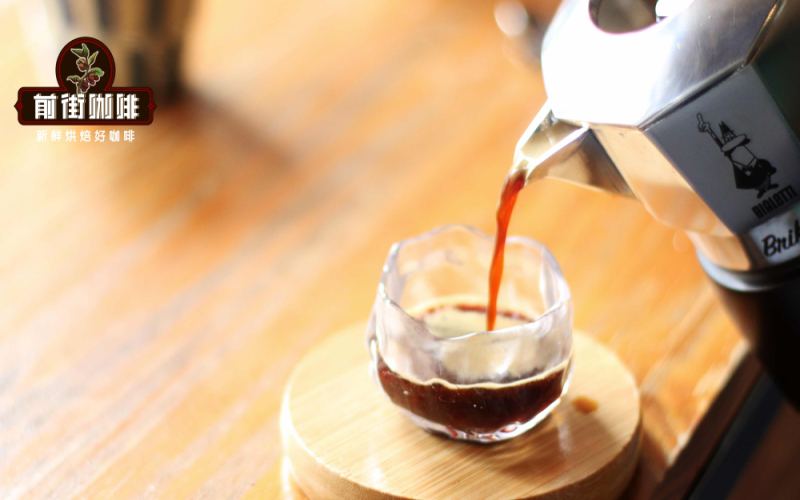
Moka Pot Coffee Beginner's Guide: Extraction Principles, Suitable Coffee Beans, and Four Front Street Coffee Espresso Blend Recommendations
The moka pot is a common coffee device in Italian households. With its simple construction and pressure-based extraction, it can brew a rich, full-bodied coffee. It tends to amplify the flavors of coffee beans, making it more suitable for medium-dark roasted beans, and the darker the roast and the fresher the date, the richer the crema. This article introduces the extraction principles of the moka pot and ideas for choosing beans, and recommends four Front Street Italian blend coffee beans, covering classic, basic, commercial, and specialty series, helping coffee lovers easily brew a cup of moka pot coffee with rich crema and a steady mouthfeel at home. [more…]

Moka Pot Brewing Principles and Operation Guide: How Beginners Can Choose the Right Coffee Beans
Since its introduction in 1933, the moka pot has become a convenient tool for many households to make espresso-style coffee, thanks to its simple steam pressure principle. The coffee it extracts is rich, balanced in acidity and bitterness, and carries a small amount of crema. This article will analyze in detail the working mechanism and standard operating procedure of the moka pot, and offer practical advice for beginners, from adding water and distributing the grounds to controlling the heat. At the same time, we have compiled a range of coffee bean recommendations suitable for the moka pot, including Front Street Dark Cocoa Blend, Classic Blend, Strawberry Candy Espresso Blend, and Commercial Blend, to help you easily make a cup of flavorful coffee close to espresso at home. [more…]

The Core Principles and Practical Methods of Espresso Blending: A Complete Approach from Green-Coffee Blending and Roasted-Coffee Blending to Pour-Over Blending
Blending is an art of balance and creativity in the world of coffee. Starting from the definition of blending, this article traces the two original purposes of blended beans in history—stabilizing flavor and reducing costs—and then explores the shift in blending philosophy in the specialty coffee era. The article compares in detail the pros and cons of blending green beans versus blending roasted beans, emphasizes that the foremost prerequisite for blending is a similar roast level, and thoroughly analyzes how to scientifically pair beans based on their flavor and mouthfeel characteristics. Finally, using "Front Street Warm Sun Blend" as an example, it showcases the classic combination of 70% Sherry and 30% Red Cherry, providing coffee enthusiasts with a reusable underlying logic for blending. [more…]
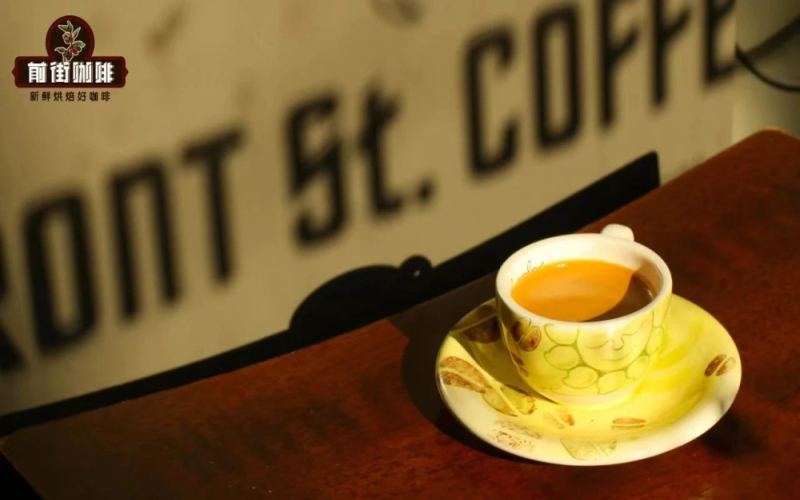
The Complete Moka Pot Guide: From Extraction Principles to Operational Details, Easily Make Espresso with Crema at Home
To enjoy rich, aromatic espresso with golden crema at home, besides a semi-automatic espresso machine, there is a more accessible option—the moka pot. This small device, born in Italy in 1933, uses steam pressure to extract coffee with a flavor close to Espresso. This article starts with the history and structure of the moka pot and the difference between single-valve and dual-valve models, then explains in detail its pros and cons, extraction principles, and complete brewing steps, along with precautions and various ways to drink it. The article recommends coffee beans suitable for the moka pot, such as Front Street Coffee House Blend and Queen's Estate SOE, to help you find the right choice for opening a shop or daily personal enjoyment. [more…]